Rustique: Integrating Vintage Western Aesthetics into Modern Design Workflows
Understanding the Role of a Display Typeface
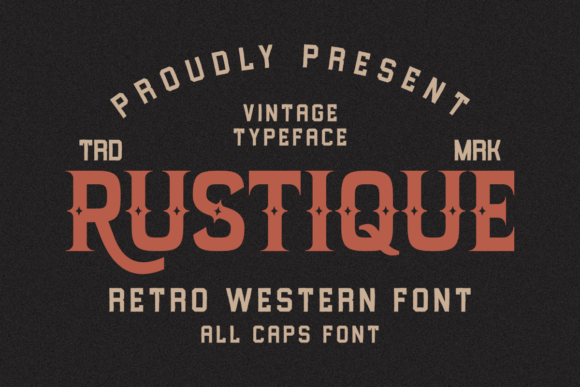
In the world of graphic design, typography is rarely just about picking a pretty font. It is a strategic decision that communicates brand identity, sets the emotional tone, and ensures readability. When a project calls for a specific aesthetic—specifically one rooted in Americana, rugged individualism, or vintage nostalgia—the choice of typeface becomes a critical part of the planning stage. Rustique, a bold retro western slab serif, enters the conversation here. It is not a utility font for body copy; it is a display typeface engineered to capture the essence of the Wild West with strong serifs and decorative details.
For designers, marketers, and small business owners, understanding where a font like Rustique fits into a broader workflow is essential. It serves as a visual anchor. When you are developing a brand identity for a craft distillery, a barbecue restaurant, or an outdoor apparel line, the typography must align with the brand’s narrative. Rustique offers an all-caps style that immediately signals strength and heritage. However, integrating such a distinct style requires more than just installation; it requires a process of pairing, testing, and application to ensure it enhances rather than overwhelms the design.
Pre-Production: Planning with Rustique in Mind
Before opening a design tool like Adobe Illustrator or Figma, the implementation of Rustique should begin in the conceptual phase. This is the stage where you define the project scope and the visual direction. If the goal is to create a logo for a vintage-themed brand or signage for a western-themed event, Rustique should be identified early as the primary typeface.
Assessing Compatibility and Brand Voice
The first step in this planning process is assessing compatibility. Rustique is characterized by its high visual weight and decorative nature. It works best when the brand voice is assertive, rustic, or nostalgic. If you are working on a project that requires a modern, minimalist, or corporate feel, Rustique is likely the wrong tool for the job. However, for whiskey labels, vintage posters, or apparel branding, it provides an authenticity that sans-serifs or standard serifs cannot replicate. During the planning phase, gather visual references that match the font’s vibe. Look at old wanted posters, classic signage, and vintage product packaging to understand the historical context of the letterforms.
Resource Allocation and Licensing
Another practical consideration during the pre-production phase is licensing and asset management. Ensure that the license for Rustique covers your intended use case, whether it is for digital ads, print merchandise, or physical signage. Organizing your font library to include Rustique and its potential companion fonts will save time during the execution phase. A messy asset folder leads to workflow friction, so treat the font file like any other critical project asset.
Execution: Pairing and Layout Strategy
Once the project moves into the execution phase, the challenge becomes integrating Rustique effectively within the composition. Because it is a bold, all-caps slab serif, it has a "loud" voice. In design, if everything is shouting, nothing is heard. Therefore, the workflow must focus on hierarchy and contrast.
The Art of Font Pairing
Rustique rarely works well as a standalone typeface for an entire layout. Its decorative details make it ideal for headlines, logos, and pull quotes, but less effective for dense paragraphs. A practical workflow involves pairing Rustique with a complementary typeface for secondary information. For instance, if you are designing a vintage poster, use Rustique for the main title to grab attention. For the date, time, and location details, select a clean sans-serif or a simple serif font. This creates a visual hierarchy that guides the viewer’s eye from the most important information to the supporting details.
Tracking and Kerning Adjustments
When working with an all-caps font like Rustique, tracking (the spacing between letters) is a vital setting to monitor. Western typography often benefits from slightly increased tracking to let the decorative serifs breathe. If the letters are too tight, the design can look cluttered and difficult to read. Conversely, too much tracking can make the text feel disjointed. During the layout process, take the time to manually adjust the kerning (space between specific pairs of letters) for large display text, such as logos. This attention to detail ensures the final product looks professional and polished.
Specific Use Cases and Application
The versatility of Rustique lies in its specific application across different mediums. The workflow for designing a digital logo differs significantly from creating physical signage or apparel branding. Here is how to approach these specific scenarios.
Logo Design and Brand Identity
When using Rustique for a logo, the focus is on uniqueness and memorability. A common mistake is simply typing the brand name in the font and calling it a logo. A better workflow involves taking the letterforms of Rustique and customizing them. Use the direct selection tool in your vector software to modify the curves or extend the serifs. This customizes the font, turning it into a proprietary asset for the client. This process ensures the brand stands out from others who might use the same typeface.
Product Packaging and Labels
For whiskey labels or food packaging, Rustique helps convey a sense of tradition and quality. In this workflow, the font interacts with textures and illustrations. You might layer Rustique over a textured background or integrate it with hand-drawn flourishes. The key here is legibility at a distance. A bottle on a shelf needs to be readable from several feet away. Ensure there is high contrast between the text color and the background. Rustique’s bold strokes make it excellent for this, provided the background isn't too busy.
Apparel and Merchandise
When applying Rustique to apparel, such as t-shirts or hats, the printing method dictates the design. For screen printing, complex gradients or fine details can be problematic. Rustique’s strong slab serifs translate well to screen printing because they hold up at various sizes. During the design process, simulate how the ink will sit on the fabric. Often, distressing the font slightly (adding a worn texture) can enhance the vintage western aesthetic, making the garment feel like an instant classic.
Quality Control and Long-Term Usability
As the project nears completion, the workflow shifts to quality control. This involves reviewing the design across different mediums to ensure Rustique performs as expected.
Scalability Testing
Test the design at various sizes. Does the logo look good on a business card as well as a storefront sign? Because Rustique is a detailed display font, some of the finer decorative elements might get lost when printed very small. If the design needs to work at very small sizes, you may need to create a simplified version of the logo or use a different font for those specific applications. This is a critical step in ensuring the long-term usability of the brand assets.
Digital vs. Print Consistency
Check the color rendering and anti-aliasing on screens. Bold serifs can sometimes appear pixelated or muddy on low-resolution screens if not handled correctly. Ensure that the font is rendered clearly on web browsers and mobile devices if the brand has a digital presence. For print, ensure the color profile (CMYK) is set correctly to avoid muddy prints, especially if using the font on colored paper or textured substrates.
Conclusion: The Strategic Value of Aesthetic Consistency
Integrating a typeface like Rustique into your design toolkit is more than an aesthetic choice; it is a strategic decision to align with a specific set of values and history. By following a structured workflow—from planning and pairing to execution and quality control—you ensure that the font serves the project’s goals rather than just decorating it. Whether you are a freelancer creating a brand for a client or a small business owner designing your own merchandise, Rustique provides a reliable foundation for capturing the spirit of the American West. It is a tool that, when used with intention, elevates the work from simple text to a crafted visual experience.