Integrating Vacation: A Strategic Guide to Retro Typography in Modern Workflows
The Genesis of a Display Font
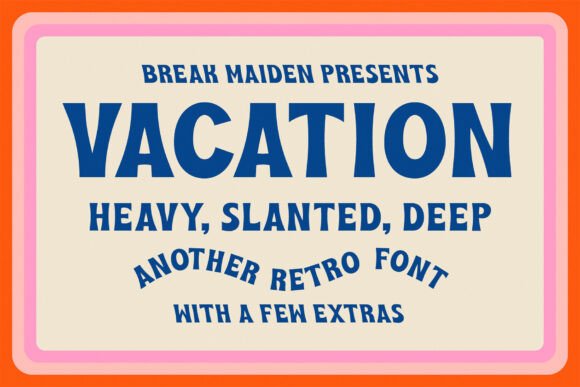
Typography is rarely just about letters; it is about evoking a specific time, place, and emotion. Vacation is a display font that synthesizes the visual language of the psychedelic posters of the 1960s and 70s with the kitsch charm of Hawaiian matchbook advertisements. While its DNA is rooted in history, its application is distinctly modern. The design draws a subtle, curious line to the iconic Trader Joe’s logo aesthetic—a style that communicates approachability, nostalgia, and a laid-back attitude. For designers and creators, understanding this lineage is the first step in the implementation process. It defines the context in which the typeface will function effectively, ensuring that the visual message aligns with the intended brand voice before a single letter is typed.
When selecting typefaces for a project, the "why" must precede the "how." Vacation is not a neutral body text; it is a high-impact visual element designed to stop a viewer in their tracks. Its stylistic roots in mid-century commercial art make it an ideal candidate for projects that require an immediate sense of fun, leisure, or counter-cultural cool. By acknowledging its inspiration, you can better plan your layout hierarchy, ensuring that the font serves as the focal point of your composition rather than competing with other visual elements.
Technical Specifications and Asset Management
Before integrating any new asset into a professional workflow, a technical audit is necessary. Vacation is an UPPERCASE only font. This is a critical constraint to consider during the planning phase. If your project requires sentence case or lowercase letters for legibility, this typeface should be reserved for headlines or decorative elements only. Recognizing this limitation early prevents bottlenecks during the execution phase where a designer might realize mid-project that the typography cannot support the body copy.
The typeface package includes three distinct styles, offering variation within a cohesive visual theme. This allows for typographic contrast without introducing foreign design elements that might disrupt the aesthetic flow. However, one of the most valuable assets in this package is the set of "chill extras." To access these additional glyphs, you must utilize the Glyphs panel within your design software—such as Adobe Illustrator, InDesign, or Affinity Designer. Workflow efficiency dictates that you should map these special characters before beginning your layout. By opening the Glyphs panel early, you can identify unique alternates, swashes, or symbols that can elevate a standard design into a bespoke piece of art. This preparation step ensures you are fully utilizing the font’s capabilities.
Application in Visual Communication Projects
The utility of Vacation lies in its versatility across specific, high-energy use cases. It is engineered for visibility and impact, making it a primary tool for physical marketing assets where distance legibility is paramount. Consider the following implementation scenarios where this font excels:
- Gig Posters and Event Branding: The psychedelic influence makes this font perfect for the music and entertainment industry. It captures the energy of live performance and translates well to large-format printing.
- Merchandise and Apparel: When designing for items like bucket hats and enormous stickers, the bold, retro nature of the typeface ensures the product stands out. It handles the curvature and texture of textiles better than more rigid, geometric fonts.
- Special Occasions: For bachelor parties or reunions, the font sets a playful tone immediately. It suggests a break from the norm, signaling that the event is about leisure and enjoyment.
- Niche Business Collateral: Businesses such as taco joints, fishing charters, dive bars, and shell shops often struggle to find typography that feels authentic rather than corporate. Vacation bridges that gap, offering a professional-grade typeface that feels handmade and authentic.
Furthermore, even corporate environments can utilize this font for specific contexts. Business retreats and internal team-building events often suffer from sterile branding. Applying Vacation to internal communications for these events can humanize the corporate structure and boost morale before the event even begins.
Workflow Integration and Execution
Integrating Vacation into a broader creative workflow requires a structured approach to maintain quality and consistency. The process generally moves from conceptualization to asset selection, layout, and final output.
Step 1: Contextual Pairing
Because Vacation is a display font with high personality, it demands a grounding companion. In your layout process, pair it with a clean, sans-serif font for body text (e.g., Helvetica, Inter, or Roboto). This contrast ensures readability while allowing the headers to maintain their retro flair. A practical tip is to establish a style guide early in the project that dictates exactly where Vacation is permitted—typically limited to H1 headers, pull quotes, or logo lockups.
Step 2: Utilizing the Glyphs Panel
As noted, the "chill extras" are accessed via the Glyphs panel. This is not merely a technical step but a creative one. During the layout phase, highlight specific letters to see if alternative styles are available. Swapping a standard "A" for a stylistic alternate can change the entire rhythm of a headline. This manual intervention is what separates generic template usage from professional typographic design. It requires a few extra minutes of execution time but significantly elevates the quality of the final product.
Step 3: Color and Texture Application
The aesthetic of Vacation pairs well with specific color palettes. To maximize the retro inspiration, consider using warm earth tones, muted pastels, or high-contrast neon palettes reminiscent of 60s printing. When applying the font, adding subtle texture overlays (like grain or halftone dots) can help integrate the digital text into physical mockups, such as postcards or apparel tags. This step ensures the design feels tactile and grounded.
Long-Term Use and Brand Consistency
For entrepreneurs and small business owners, consistency is the currency of brand trust. If you choose to adopt Vacation as part of your brand identity—perhaps for a surf shop or a beachside café—it must be used consistently across all touchpoints. This means embedding the font into your brand guidelines document.
Document the specific styles used (e.g., "Vacation Style 2 for Headlines") and the rules regarding the Glyphs panel extras. When handing off designs to other freelancers or printers, ensure they have access to the font files and understand that it is UPPERCASE only. This preparation prevents unauthorized edits that could dilute your brand's visual integrity.
Finally, consider the lifecycle of your assets. While trends in design come and go, the "retro" aesthetic has proven to be cyclical and enduring. By organizing your project files now—keeping your Vacation assets labeled and stored in your design library—you create a reusable resource. Whether you are designing a seasonal menu for a taco joint or planning next year's business retreat, having this asset ready to deploy streamlines your production timeline, allowing you to focus on strategy rather than sourcing new resources.