Glamure Extra Light: Integrating High-End Typography into Professional Workflows
Understanding the Role of Typeface in Brand Architecture
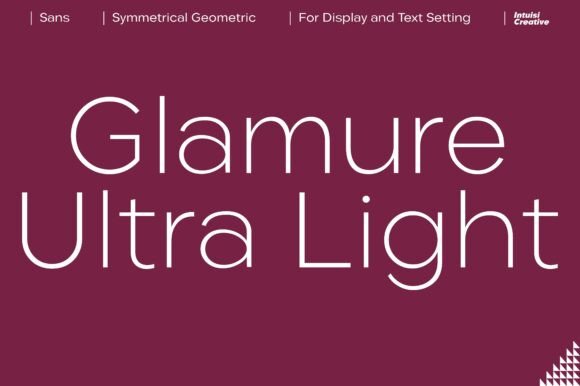
In the landscape of professional design and branding, typography is not merely a vessel for content; it is a fundamental architectural element. Selecting a typeface is a strategic decision that influences how a message is perceived before a single word is read. Glamure Extra Light represents a specific category within this landscape: a font designed to convey luxury, refinement, and high-end aesthetics. It is characterized by its delicate strokes, striking contrasts, and an air of opulence. However, understanding its visual appeal is only the first step. The true value lies in understanding how to implement this asset within a structured creative workflow to ensure brand consistency and project success.
For professionals ranging from graphic designers to small business owners, the choice of font dictates the tone of the entire project. Glamure Extra Light is not a general-purpose workhorse font like Helvetica or Arial; it is a specialized tool. Its thin, elegant construction makes it ideal for contexts where sophistication is paramount. When planning a branding strategy, identifying the need for this level of refinement allows you to slot this typeface into the correct phase of your project, whether that is the initial concept phase or the final asset delivery.
Pre-Production: Planning and Asset Preparation
Before you begin a design project, preparation is key to efficiency. Integrating Glamure Extra Light begins in the planning phase. You must evaluate the project goals to determine if the "voice" of the font aligns with the client's or brand's objectives. This typeface is best suited for narratives centered on exclusivity and prestige. If the project involves a discount retailer or a rugged industrial brand, this font would be a mismatch. However, for high-end branding, it is irreplaceable.
During the preparation stage, consider the following workflow steps:
- File Organization: Ensure the font files for Glamure Extra Light are installed on all relevant workstations. If you are working within a team, upload the font to your team’s shared asset library (such as Adobe Fonts or a shared server) to ensure everyone has access to the correct version.
- License Verification: Before implementation, verify the licensing agreement. High-end display fonts often have specific usage rights regarding digital versus print applications. Confirming this early prevents legal bottlenecks later in the production process.
- Compatibility Check: Test the font in your primary software environment (e.g., Adobe Illustrator, Figma, Canva) to ensure it renders correctly. While rare, font conflicts can occur; resolving these during the setup phase saves significant time during execution.
Strategic Pairing and Hierarchy
No font exists in a vacuum. A critical part of the planning process is establishing a typographic hierarchy. Glamure Extra Light functions best as a display or headline font due to its intricate details. For body text, legibility is the priority, and the delicate nature of an "extra light" weight can strain the eyes in long paragraphs.
Therefore, your workflow must include selecting a complementary body font. Look for a neutral serif or sans-serif font that offers high contrast and readability at smaller sizes. This pairing creates a functional hierarchy: Glamure Extra Light captures attention for headers and logos, while the secondary font delivers the information. This interaction between assets ensures the design is both beautiful and usable.
Execution: Application in Specific Use Cases
Once the planning is complete, you move into the execution phase. This is where the aesthetic qualities of Glamure Extra Light translate into tangible business outcomes. The implementation varies significantly depending on the medium.
Print and Packaging Design
In the context of boutique packaging, the font elevates the perceived value of the physical product. When working on cosmetic labels or luxury goods, the workflow involves precise kerning and tracking adjustments. Because Glamure Extra Light has such fine strokes, spacing is crucial. Crowded letters can look messy, while too much space can break the visual flow.
Practical Tip: When designing for print, always request a physical proof. Thin fonts can sometimes disappear on textured paper or bleed slightly on absorbent materials. Ensure the font size is large enough to maintain its integrity during the printing process. This quality control step is non-negotiable for high-end deliverables.
Digital Assets and Web Integration
For digital environments, such as sophisticated invitations or landing pages, file size and load times become factors. Glamure Extra Light adds elegance to event invitations, serving as a prelude to an upscale experience. However, in web implementation, you must balance aesthetics with technical performance.
When integrating this font into a website workflow:
- Web Font Optimization: Convert the font to optimized web formats (WOFF2) to ensure fast loading times. A beautiful font is useless if it causes the site to lag.
- Responsive Testing: Check how the font renders on mobile devices. Extremely thin fonts can become invisible on low-resolution screens or in bright sunlight. You may need to increase the font weight or size slightly for mobile views to maintain usability.
- Color Contrast: Because the strokes are light, ensure high contrast between the text and the background. Avoid placing the font over busy imagery without a solid overlay or drop shadow to guarantee readability.
Post-Project: Brand Consistency and Long-Term Use
The workflow does not end when the design is exported. Integrating Glamure Extra Light into a brand requires long-term governance. To maintain the sophisticated narrative established by the font, you must create a Style Guide or Brand Book.
This document should specify exactly where and how Glamure Extra Light is to be used. For example, define that it is strictly for H1 headers and logos, and prohibit its use for navigation menus or legal disclaimers. This prevents "brand drift," where inconsistent usage dilutes the luxury perception over time.
Furthermore, consider the lifecycle of the brand assets. As you create future marketing materials—be it social media posts, email newsletters, or new packaging—refer back to this guide. By treating the font as a regulated asset rather than a decorative afterthought, you ensure that every touchpoint contributes to a cohesive, sophisticated narrative. This systematic approach to typography transforms a simple design choice into a powerful tool for brand identity, adding tangible value and a sense of transcendence to your professional output.