Punk Anarchy: A Strategic Guide to Typographic Disruption
In the crowded landscape of modern branding, the silent language of typography often speaks louder than the words themselves. For creators, entrepreneurs, and marketers, the selection of a typeface is not merely an aesthetic preference; it is a strategic decision that dictates how an audience perceives a message before they even process the semantics. When a project demands a break from the polished, corporate veneer of sans-serifs and the traditional authority of serifs, a specific tool is required. Enter Punk Anarchy, a display font that channels the raw energy of punk rock, grunge, and alternative culture. However, utilizing a font with such a distinct personality requires more than just dragging and dropping; it demands a thoughtful approach to positioning and design strategy.
Understanding the Visual Language of Punk Anarchy
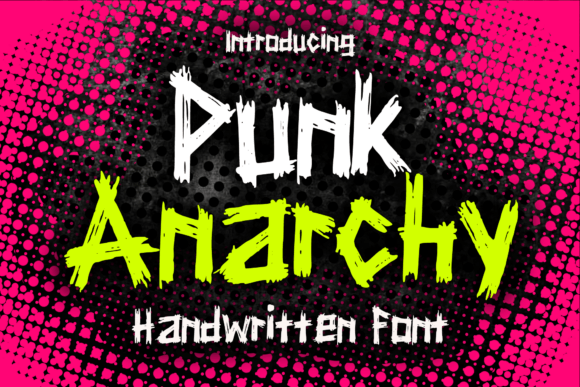
Punk Anarchy is not just a collection of characters; it is a typographic embodiment of rebellion. Visually, it carries the hallmarks of the underground music scenes of the late 20th century—distressed textures, irregular baselines, and aggressive, hand-crafted aesthetics. This font is designed to scream for attention. It rejects the sterile perfection of digital vectors in favor of something that feels tactile, urgent, and alive. For professionals, understanding this "voice" is the first step in strategic implementation. It speaks of authenticity, edge, and a refusal to conform to standard conventions.
The utility of a font like Punk Anarchy lies in its ability to evoke an immediate emotional response. Psychologically, rough and jagged textures can signal intensity, passion, and raw honesty. In a market saturated with smooth, algorithmic perfection, this imperfection becomes a virtue. It suggests that the brand or product behind the typeface is unafraid to be different. However, this high-impact personality means it functions best as a display typeface—meant for headlines, logos, and short bursts of text—rather than for body copy where readability is paramount.
Strategic Positioning: When to Deploy the Attitude
Deciding to use Punk Anarchy should be a deliberate choice driven by your target audience and brand identity. It is particularly effective for adults aged 20 to 50 who appreciate counter-culture aesthetics, nostalgia for the rock era, or modern edginess. If your goal is to position a product as "safe," "corporate," or "traditional," this font is likely the wrong choice. However, if you are aiming to disrupt the status quo, it becomes a powerful asset.
Consider the context of your communication. Punk Anarchy is ideal for environments where you need to cut through the noise instantly. This includes:
- Music Industry Branding: Album covers, concert posters, and merchandise for rock, metal, or alternative bands.
- Entertainment Marketing: Movie posters for thrillers, action films, or documentaries exploring subcultures.
- Lifestyle Merchandise: T-shirt designs, sticker packs, and skateboarding gear where the visual attitude is part of the product's value.
- Event Promotion: Flyers for underground events, tattoo conventions, or vintage markets.
For small business owners and freelancers, particularly those in the creative sector, using this font can help define a niche. A graphic designer specializing in band logos, for instance, might use Punk Anarchy in their own portfolio header to instantly signal their specialization to potential clients. It acts as a filter, attracting the right kind of client while repelling those looking for corporate minimalism.
Practical Application and Design Integration
Using a high-impact font like Punk Anarchy effectively requires restraint and balance. Because the typeface itself is visually "loud," the surrounding design elements must often be quieter to avoid visual chaos. This is the principle of contrast in action. If your typography is aggressive and textured, your background might need to be solid and clean. If the typeface is jagged, your layout might benefit from a strong grid structure to keep it grounded.
Here is a practical approach to integrating this font into your workflow:
- Pairing with Neutrals: Avoid pairing Punk Anarchy with other decorative fonts. Instead, use a clean, geometric sans-serif (like Helvetica, Futura, or Roboto) for subheadings and body text. This allows the display font to do its job—grabbing attention—while the neutral font ensures the message is readable.
- Color Psychology: This style of typography thrives on high-contrast color palettes. Think monochromatic schemes (black and white) for a classic zine look, or neon accents against dark backgrounds for a modern, electric feel.
- Scale and Hierarchy: Use scale to your advantage. Punk Anarchy works best when it is large. Make it the hero element of your poster or t-shirt. If you shrink it too small, the distressed details may become muddy and unreadable, negating its impact.
Avoiding the Pitfalls: Context is King
While the cool factor of Punk Anarchy is undeniable, there are risks associated with using it without clear goals. The most significant risk is misalignment. Using a grunge, punk-style font for a financial advisor’s website or a pediatric dentist’s brochure would likely confuse the audience and erode trust. Typography builds expectations; if the font promises rebellion but the service delivers compliance, the cognitive dissonance can harm the brand.
Another consideration is overuse. Because the font is so stylistically distinct, using it for every piece of collateral can lead to visual fatigue. It is best reserved for key touchpoints where you want to make a statement. Think of it as a spice in cooking—a little adds flavor and excitement, but too much ruins the dish. Strategic planning involves knowing when to turn the volume up and when to dial it back.
Long-Term Value and Brand Consistency
For entrepreneurs and creators building a long-term brand, consistency is vital. If you decide that Punk Anarchy aligns with your brand voice, document how and when it should be used in your style guide. Specify that it is for "Headlines Only" or "Merchandise Design." This prevents the font from being applied haphazardly by team members or collaborators, which could dilute your brand identity over time.
Furthermore, consider the longevity of the aesthetic. While trends in graphic design come and go, the "punk" aesthetic has proven to be remarkably resilient. It has cycled through popularity for decades. By using it intentionally, you tap into a rich visual history that resonates with authenticity. It suggests that your brand has substance and an edge that transcends fleeting digital trends.
Conclusion: Making the Strategic Decision
Ultimately, choosing Punk Anarchy is a decision to embrace a specific narrative. It is for the creator who wants to evoke the raw energy of a live concert, the grit of the streets, or the rebellious spirit of the counter-culture. It is a tool for those who want their designs to scream for attention in a crowded marketplace. By understanding its strengths, respecting its intensity, and applying it with strategic intent, you can transform a simple design into a compelling statement. Fall in love with its incredibly cool style, but use it wisely to create designs that not only look good but also achieve your specific goals.