Atomic Rust: A Strategic Approach to Vintage Typography for Modern Branding
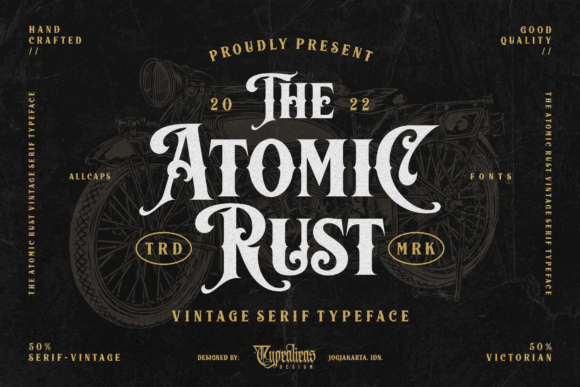
In the crowded digital and physical marketplace, the visual language of your brand must communicate more than just a name; it must convey a specific history, a particular attitude, and an immediate sense of quality. For designers, entrepreneurs, and brand strategists working within the realms of classic Americana, industrial grit, or artisanal luxury, selecting the right typeface is a foundational decision. Atomic Rust is not merely a collection of glyphs; it is a deliberate stylistic choice that signals a connection to the Victorian era, reinterpreted for contemporary use. Understanding how to deploy this font effectively requires a strategic mindset that balances aesthetic appeal with functional communication.
The Strategic Value of Historical Context in Design
Typography serves as a silent ambassador for your brand. When you choose Atomic Rust, you are borrowing from the visual vocabulary of the late 19th and early 20th centuries. This era was characterized by a sense of craftsmanship, heavy industrialization, and ornate detailing. For a modern audience—whether they are motorcycle enthusiasts, craft distillery owners, or vintage clothing retailers—this historical context provides immediate credibility. It suggests that the product or service is built on tradition, durability, and authenticity.
However, the decision to use a Victorian-era style font should be grounded in a clear understanding of your target audience. If your customer base values heritage and mechanical precision, Atomic Rust aligns perfectly with those psychological triggers. It evokes the feeling of a hand-painted shop sign or a cast-iron emblem. Conversely, if your brand strategy focuses on minimalism, futuristic technology, or clean medical aesthetics, this font would create cognitive dissonance, confusing your audience rather than inviting them in.
Aligning Typography with Brand Positioning
Effective branding is about consistency. The use of Atomic Rust must be supported by other design elements. Consider the texture of your backgrounds, the color palette, and the accompanying imagery. A font with the weight and ornamentation of Atomic Rust pairs best with high-contrast colors, distressed textures, and photography that emphasizes grit or luxury. It is a font that demands space; it does not shrink into the background. Therefore, your layout strategy should allow for larger display sizes where the intricate details of the letterforms can be appreciated without sacrificing legibility.
Practical Application: Garage, Motorcycle, and Badge Design
One of the most potent applications of Atomic Rust is in the creation of badges, crests, and emblems. In the motorcycle and garage culture, a logo is often more than a digital asset; it is a physical stamp on leather, metal, or paint. Atomic Rust is designed with this tactile application in mind. The font features the heavy lines and distinct serifs required for embroidery and screen printing, ensuring that the design remains intact even when reproduced on rough surfaces.
When planning a badge design, consider the hierarchy of information. Atomic Rust is an excellent choice for the primary header or the brand name due to its high visual impact. However, for secondary information—such as a founding date or a location—you may need a complementary sans-serif or a simpler serif font. This prevents visual clutter and ensures that the central message remains the focal point. The goal is to create a balanced composition where Atomic Rust anchors the design, providing the necessary weight and authority.
Operational Considerations for Physical Media
Before finalizing a design using Atomic Rust, it is vital to test the font in the medium it will inhabit. A design that looks stunning on a high-resolution screen may lose definition when etched into leather or embossed on paper. Strategic planning involves prototyping. Print the design at the actual size it will appear on a business card, a patch, or a bottle label. Examine the kerning and the legibility of the smaller details. If the ornaments become muddy, you may need to increase the font size or simplify the surrounding design elements. This operational foresight saves time and money in the production phase.
Luxury and Artisanal Labeling: The Liquor Industry
Beyond the garage, Atomic Rust possesses a refined elegance that makes it highly suitable for the spirits industry. The Victorian aesthetic is deeply connected to the history of distilling and brewing. Using this font on a whiskey, bourbon, or craft gin label can instantly communicate a sense of legacy and secret recipes. The ornamental characteristics of the typeface mimic the filigree and border work often found on vintage liquor bottles, helping a new product appear established and trustworthy.
However, the spirits market is saturated with vintage-inspired branding. To stand out, your use of Atomic Rust must be intentional rather than generic. Consider how the font interacts with the bottle shape and the label material. A textured paper stock with a rough edge pairs exceptionally well with the ruggedness of the font. Furthermore, think about the storytelling aspect. Use the font to highlight specific words that evoke the production process, such as "Distilled," "Barrel," or "Reserve." This strategic emphasis draws the consumer's eye to the value proposition of the product.
Decision-Making for Long-Term Brand Equity
When adopting Atomic Rust as a core component of your visual identity, you are making a long-term commitment. Changing a brand's typography later can be costly and confusing for customers. Therefore, it is essential to consider the scalability of your brand. Will Atomic Rust still represent your brand accurately if you expand your product line? If you are currently selling motorcycle parts but plan to launch a clothing line, does the font translate well to fabric tags and apparel prints?
The versatility of Atomic Rust is one of its strengths, but it requires a flexible brand system. A robust brand guideline document should specify exactly where and how the font is used. For example, you might decide that Atomic Rust is exclusively for headlines and logos, while a more readable font is used for body copy. This structured approach ensures that the font enhances your brand's professionalism rather than detracting from it.
Avoiding Common Pitfalls and Overuse
There is a temptation, particularly with highly stylized fonts like Atomic Rust, to use them for every piece of text. This is a strategic error. Ornate Victorian fonts are difficult to read in long paragraphs, especially at smaller sizes. Overusing the font can make a website or printed material feel cluttered and dated in a negative way, rather than stylish. The key is restraint. Use Atomic Rust for impact—titles, headers, and call-to-action buttons—where its unique character can shine without hindering the user experience.
Additionally, be mindful of the "retro trap." While the aesthetic is popular, relying solely on nostalgia without offering a modern value proposition can limit your growth. Atomic Rust should be used to frame a contemporary product or service in a familiar, comforting visual language. It should not be used to hide a lack of innovation. The most successful brands using this style combine vintage typography with modern customer service, contemporary technology, and current trends.
Conclusion: Intentional Design Drives Results
Ultimately, the choice to use Atomic Rust is a choice to align your brand with a rich history of craftsmanship and industrial design. Whether you are designing a badge for a custom motorcycle shop or a label for a small-batch distillery, this font offers a powerful tool for communication. However, like any tool, its effectiveness depends on the skill and strategy of the user. By understanding the historical context, testing for operational feasibility, and maintaining a disciplined approach to brand hierarchy, you can leverage Atomic Rust to create a compelling visual identity that resonates with your audience and supports your long-term business goals.