Hertical: A Practical Guide to Evaluating This Unique Font Family
In the world of graphic design, typography is more than just arranging letters on a page; it is the voice of the visual message. The choice of font can dictate the mood, establish brand identity, and influence how information is processed. While standard fonts like Helvetica or Times New Roman offer reliability and neutrality, creative projects often demand a typeface with more personality. Hertical enters the market as a stylish and unique font family designed specifically to bridge the gap between modern aesthetics and artistic flair. For designers looking to inject creativity into their work, Hertical presents itself as a compelling option worth evaluating.
Understanding the Design Philosophy of Hertical
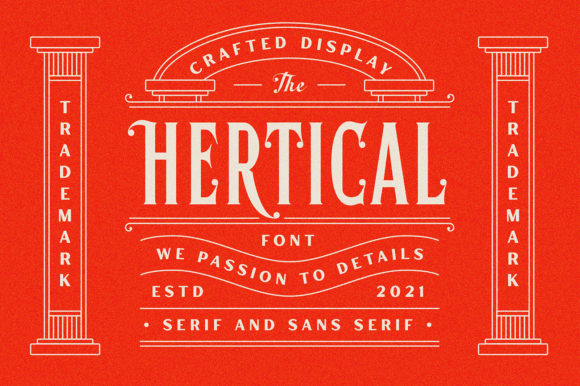
Hertical is best described as a display typeface characterized by its stylish lines and unique letterforms. Unlike traditional serif or sans-serif fonts that prioritize absolute neutrality, Hertical is built to draw attention. It typically features a blend of sharp edges and smooth curves, creating a rhythm that feels both contemporary and artistic. This font family is not designed to disappear into the background of a text block; rather, it is engineered to be the focal point of a design.
The construction of Hertical usually balances readability with artistic expression. While it is a display font, it maintains a level of clarity that ensures the message is not lost in the style. This balance is crucial for designers who need their work to be visually striking but also functionally effective. Whether used for headlines or short phrases, Hertical aims to provide a distinct visual signature that separates a design from the competition.
Reasons for Interest in Stylish Typography
The modern design landscape is saturated with content. From social media feeds to physical advertising, consumers are bombarded with visual stimuli. Consequently, there is a growing interest in typography that can break through the noise. Designers are increasingly seeking fonts that offer a "human" touch—typefaces that feel less mechanical and more organic. Hertical appeals to this desire for differentiation. It offers a way to modernize a design instantly without relying on complex illustrations or cluttered layouts.
Furthermore, the rise of the "creator economy" has empowered individuals to build personal brands. For freelancers, influencers, and small business owners, a unique font like Hertical can serve as a core element of their visual identity. It provides a way to look professional and polished while simultaneously appearing approachable and creative. The interest in such fonts stems from the practical need to establish a memorable presence in a crowded market.
Benefits and Tradeoffs of Using Hertical
When evaluating Hertical, it is important to weigh its benefits against potential tradeoffs. The primary benefit is its aesthetic impact. Hertical is designed to make designs stand out, particularly on items like posters, thank you cards, and logos. Its stylish nature adds an immediate layer of sophistication and artistic value to any project. Additionally, as a font family, it likely includes various weights or styles, offering versatility within a cohesive visual theme.
However, the tradeoff often lies in versatility and context. A font with a strong personality, such as Hertical, may not be suitable for every application. For instance, using a highly stylized font for long-form body text can hinder readability and cause eye strain. It is generally reserved for headers, titles, or short impactful quotes. Designers must also consider the learning curve associated with pairing such a distinct font. Finding the right complementary typeface for body text requires careful consideration to avoid visual discord. Therefore, while Hertical excels in visual impact, it requires a thoughtful application to be effective.
Ideal Use Cases and Strong Fits
Hertical proves to be a strong fit for specific design scenarios where creativity and visual appeal are the primary goals. Its design makes it particularly well-suited for the following applications:
- Greeting Cards and Invitations: The stylish nature of Hertical lends itself perfectly to wedding invitations, birthday cards, and holiday greetings, where a personal and elegant touch is desired.
- Poster Design: For event posters or artistic prints, Hertical can serve as a dynamic headline that captures attention from a distance.
- Logo Creation: Brands looking to project an image of modern elegance or creative innovation may find Hertical to be an excellent foundation for their logo.
- Business Cards: In networking, a unique business card can make a lasting impression. Hertical helps create cards that stand out in a stack.
- Social Media Graphics: For quotes, announcements, or promotional banners on platforms like Instagram, the font ensures high engagement through visual appeal.
In these scenarios, the font’s ability to command attention is an asset rather than a liability. It transforms standard text into a design element in its own right.
When to Consider Alternatives
Despite its strengths, there are situations where alternatives to Hertical might be worth considering. If the project requires a "silent" typography that does not distract from the imagery or the message itself, a neutral sans-serif like Roboto or Open Sans might be more appropriate. For example, in technical documentation, user interfaces, or lengthy blog posts, readability and neutrality are paramount, and a stylized font like Hertical could be perceived as unprofessional or difficult to read.
Additionally, if the design requires a very specific historical or technical aesthetic—such as a gothic theme or a retro typewriter look—Hertical’s modern and stylish vibe might not align with the project's narrative. In such cases, niche fonts that cater to those specific eras or moods would be a better fit. Designers should evaluate the "voice" of the project; if the voice is serious, corporate, or highly technical, Hertical may be too expressive.
Practical Decision-Making Insights
When deciding whether to integrate Hertical into your workflow, consider the hierarchy of your design. Ask yourself: Is this text meant to be read quickly, or is it meant to be admired? If the answer is the latter, Hertical is likely a strong candidate.
It is also advisable to test the font in context. Typography can look vastly different in a mockup compared to a final product. Download the font and apply it to a sample project similar to your intended use. Pay attention to kerning (letter spacing) and leading (line spacing), as stylish fonts often require manual adjustments to look perfect. Finally, consider the longevity of the design. While trendy fonts are exciting, ensure that the style of Hertical aligns with the long-term goals of the brand or project. If the goal is timeless elegance, Hertical offers that; if the goal is fleeting trendiness, be aware that styles evolve.
Conclusion
Hertical represents a valuable tool in the designer's toolkit, particularly for those aiming to create visually stunning and memorable designs. Its unique aesthetic makes it ideal for posters, cards, logos, and other creative projects where standing out is essential. However, like any specialized tool, it requires a thoughtful approach. By understanding its strengths in display contexts and its limitations in long-form text, designers can make an informed decision. Ultimately, Hertical is a strong choice for anyone looking to add a touch of creative sophistication to their visual communications, provided it is used in the right context to achieve the desired impact.