Mastering Luxury: The Strategic Art of Elegant Typography
In the crowded marketplace of visual communication, the choice of typeface is rarely a mere aesthetic decision. It is a fundamental component of brand strategy, capable of signaling value, establishing trust, and defining the audience you wish to attract. When we discuss Luxury, we are not simply referring to a font file; we are discussing a design philosophy rooted in restraint, quality, and timeless sophistication. For entrepreneurs, designers, and marketers, understanding how to deploy a typeface like Luxury Minimal Font is about mastering the subtle art of visual positioning.
The Strategic Value of Restraint
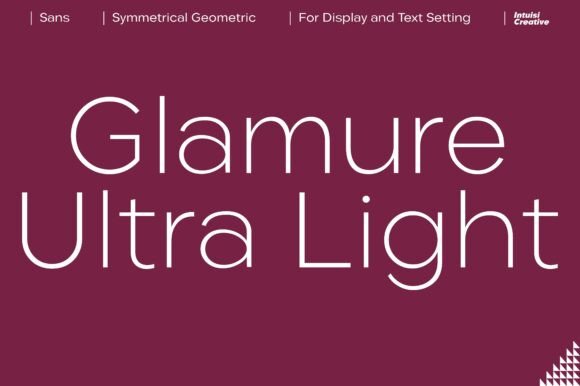
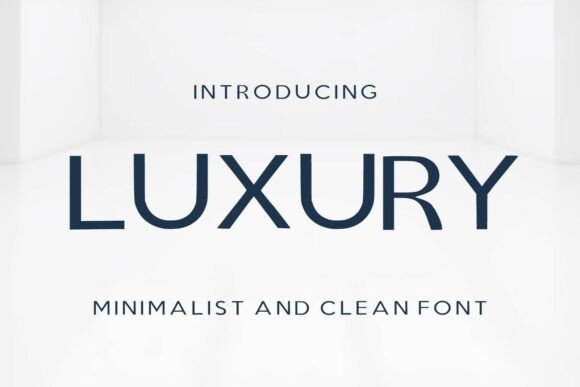
True luxury in the modern era has shifted away from ostentatious displays of wealth. Instead, it is defined by minimalism, quality materials, and exclusivity. This cultural shift is directly reflected in typography. A typeface like Luxury is characterized by sleek letterforms, balanced proportions, and a minimalist construction. It does not scream for attention with excessive flourishes; rather, it commands respect through clarity.
For decision-makers, adopting a font with these characteristics is a strategic move to align a brand with premium positioning. It tells your audience that your business values precision and elegance. Whether you are launching a high-end fashion brand, a boutique interior design firm, or a premium consulting service, the typography sets the tone before a single word is read. It creates an immediate association with high-end fashion, modern architecture, and editorial excellence.
Practical Applications: Where Clarity Meets Sophistication
The versatility of a minimalist luxury typeface lies in its ability to adapt without losing its core identity. It is designed to perform across a wide spectrum of applications, ensuring brand consistency whether the customer interacts with you online or offline.
- Digital Presence: On websites and mobile apps, Luxury ensures exceptional readability. Its clean geometric structure prevents visual clutter, allowing content to breathe. This is crucial for user experience (UX), particularly for e-commerce platforms where a seamless, professional look can directly influence conversion rates.
- Editorial and Print: In magazine layouts, lookbooks, or annual reports, this font excels at creating a polished hierarchy. It works beautifully for large headlines that need to feel impactful yet refined, as well as for shorter blocks of body text where legibility is paramount.
- Physical Branding: The font translates effectively onto physical materials. From the embossed logo on a cosmetic package to the elegant script on wedding stationery or business cards, the balanced proportions ensure the design feels expensive and tactile.
Intentional Design: Making Decisions, Not Just Choices
Using a font like Luxury Minimal Font requires more than just installation; it requires intent. To leverage this typeface effectively, you must consider the broader context of your visual identity. The goal is not just to look "fancy," but to communicate a specific set of values to a specific audience.
Pairing and Hierarchy
A sophisticated typeface works best when it is part of a cohesive system. Because Luxury has a minimalist style, it pairs effortlessly with other font families. A common strategy is to use it for primary headers to establish the brand voice, while utilizing a highly legible sans-serif or serif font for body copy. This creates a visual hierarchy that guides the reader’s eye, making the content more digestible and the design more functional.
Audience Alignment
Before relying on this style, analyze your target demographic. Adults aged 20–50, particularly those in creative industries, education, or premium services, often respond well to designs that reflect their own aspirations for professionalism and modernity. However, if your brand voice is intended to be rustic, chaotic, or hyper-casual, a sleek geometric font might create a dissonance that confuses your audience.
Avoiding the Pitfalls of "Generic Luxury"
One of the risks in modern design is the overuse of minimalist luxury aesthetics, which can sometimes lead to a generic or "bland" appearance if not executed with care. To avoid this, focus on the details. Luxury is noted for its carefully designed characters and refined details. Use these features to your advantage.
Do not simply place the text and walk away. Consider the spacing (kerning and tracking) and the hierarchy of information. The font should enhance your message, not replace it. A beautiful typeface cannot save weak content, but it can elevate strong content, making it feel more authoritative and trustworthy. It is a tool for amplification, not a mask for lack of substance.
Long-Term Brand Equity
Investing in high-quality typography is an investment in long-term brand equity. Trends in graphic design come and go, but a font built on timeless principles of geometry and elegance tends to age well. It communicates stability and permanence—qualities that are highly desirable for businesses looking to build lasting relationships with their customers.
By utilizing a typeface that embodies modern sophistication and professional polish, you are laying a foundation for a brand identity that can evolve with your business. Whether you are a freelancer building a portfolio, a small business owner scaling your operations, or a publisher curating high-end content, the choice to use Luxury is a choice to prioritize quality, clarity, and strategic communication.