Evaluating Picky Smiley Font for Your Design Projects
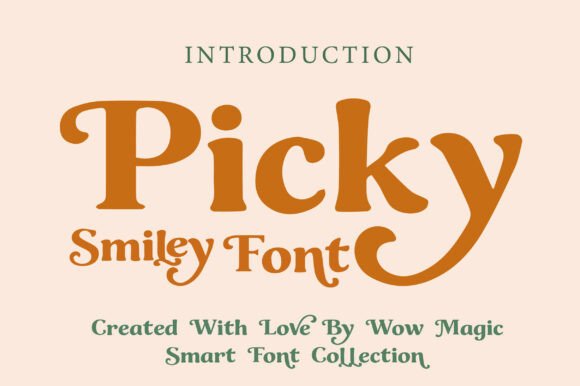
In the crowded world of typography, finding a typeface that conveys a specific mood without sacrificing readability can be a challenge. Picky Smiley Font is a display typeface that enters this space with a distinct personality. It is a retro-inspired design characterized by its playful curves, bold serifs, and whimsical swashes. This font is not intended for body text or formal documentation; rather, it is crafted for headlines, logos, and branding elements where personality is the primary goal. If you are evaluating fonts for a project that requires a vintage aesthetic with a cheerful twist, understanding the specific characteristics of Picky Smiley is essential.
Understanding the Aesthetic and Design Philosophy
At its core, Picky Smiley blends nostalgic elegance with a lighthearted approach. The design features decorative terminals and expressive shapes that create a "smile-like" visual rhythm. This makes it a strong contender for projects that aim to evoke warmth, fun, and approachability. The font’s structure suggests a mid-century influence, reminiscent of advertising and signage from the 1950s and 60s, but with modern polish that ensures it renders well on contemporary screens and print media.
When considering Picky Smiley, it is helpful to view it as a tool for setting a specific tone. It excels in environments where the typography needs to act as a focal point. For instance, the flowing curves and bold details are designed to catch the eye immediately. However, this level of expressiveness means it occupies a specific niche. It is best suited for short bursts of text—headlines, taglines, or single-word logos—where its intricate details can be fully appreciated without causing visual fatigue.
Key Benefits and Practical Applications
The primary benefit of using Picky Smiley is its ability to inject energy and character into a design instantly. Because of its retro charm, it is particularly effective in specific contexts:
- Branding and Packaging: For products targeting a younger demographic or those with a "homemade" or "artisanal" vibe, Picky Smiley can create an immediate emotional connection. It works well for food packaging, boutique clothing labels, or children’s products.
- Event Invitations and Posters: The whimsical nature of the font makes it a natural fit for party invitations, festival posters, or promotional flyers where a celebratory mood is required.
- Social Media Graphics: In the fast-paced environment of social media, distinctive typography can stop a user from scrolling. The bold, friendly nature of Picky Smiley makes it effective for Instagram graphics, YouTube thumbnails, and headers.
- Logo Design: If a brand identity is built around being fun, approachable, and energetic, this font provides a solid foundation for a wordmark or logotype.
Tradeoffs and Considerations
While Picky Smiley offers significant personality, it comes with tradeoffs that must be weighed against project requirements. The most significant consideration is readability at scale. Because of its decorative swashes and unique curves, it is not suitable for long-form text. Using it for paragraphs or small body copy would likely result in poor legibility and a cluttered appearance.
Another consideration is versatility. A highly stylized font like Picky Smiley can be difficult to pair with other typefaces. It requires a calm, neutral companion font—such as a clean sans-serif or a simple serif—to balance the visual complexity. If your design system already relies on several expressive fonts, adding Picky Smiley might create visual noise rather than clarity.
Finally, consider the longevity of the design. Retro styles can be trendy, and while vintage aesthetics often cycle back into popularity, they can also feel dated if not applied thoughtfully. If your project requires a timeless, corporate, or ultra-modern look, Picky Smiley is likely not the right choice.
When to Choose Picky Smiley (and When to Look Elsewhere)
Deciding whether to use Picky Smiley depends on your specific design goals. Choose Picky Smiley if:
- Your primary goal is to convey joy, nostalgia, or playfulness.
- The application is for display text, such as headlines or logos.
- The target audience appreciates vintage or retro aesthetics.
- You need a font that stands out and creates a strong first impression.
Consider alternatives if:
- The project requires a formal, serious, or corporate tone.
- You need a typeface for extended reading, such as articles or reports.
- The design calls for a minimalist or strictly modern aesthetic.
- Accessibility and universal legibility across all sizes and devices are the top priorities.
Final Thoughts on Selection
Evaluating Picky Smiley is ultimately about aligning the font’s inherent character with your project’s narrative. It is a specialized tool rather than a workhorse typeface. When used in the right context—such as a playful brand identity, a festive invitation, or an eye-catching poster—it can elevate a design significantly. However, its decorative nature means it should be used with intention and restraint.
Before committing, consider creating a mock-up of your key design elements using Picky Smiley. Test how it interacts with your color palette, imagery, and supporting typography. This practical step will help you determine if its cheerful, retro-inspired vibe truly supports your communication goals or if a more neutral typeface would better serve the project’s needs.