Granix: A Bold Display Font for Modern Creators
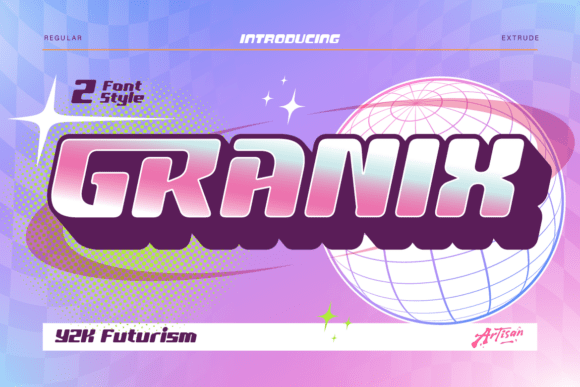
In a world saturated with minimalist sans-serifs and elegant serifs, making a visual statement can feel like an uphill battle. Enter Granix, a display typeface that doesn't just whisper—it shouts. This isn't a font for legal disclaimers or lengthy body text. Granix is a tool for instant impact, a playful and eye-catching design inspired by a potent mix of retro-future aesthetics, street culture, and the digital optimism of the early 2000s.
At its core, Granix is characterized by its chunky letterforms, smooth, bubbly curves, and a vibrant, almost tactile personality. It's a bubble-tech style that feels both familiar and fresh, evoking the energy of Y2K design, the boldness of streetwear logos, and the playful interfaces of early web and gaming culture. For designers and creators looking to inject a dose of nostalgia and unapologetic fun into their work, Granix offers a powerful and unique voice.
Who is Granix For? Understanding the Appeal
The value of a typeface like Granix isn't one-size-fits-all. Its relevance shifts dramatically depending on your role, your project, and your audience. Let's explore how different people might view and use this font.
For the Streetwear Brand and Fashion Entrepreneur
If you're building a clothing line, especially one targeting a Gen Z or millennial audience, your brand's typography is your handshake. It needs to be memorable and convey a specific attitude. Granix, with its roots in street culture and bold aesthetic, is a natural fit. A logo set in Granix can immediately communicate that a brand is current, playful, and not afraid to stand out. It's perfect for hang tags, brand marks, and headline graphics on lookbooks or website banners. The priority here is brand identity—using a typeface that becomes synonymous with your label's vibe.
For the Music Artist and Producer
Consider the cover art for a new hyperpop EP, a hip-hop mixtape, or an electronic music single. The visual must match the sonic energy. Granix excels in this space. Its dynamic shapes and "digital vibes" can create album art that feels like an extension of the sound itself—loud, fun, and unforgettable. A music producer might use it for their artist name, while a social media manager for a record label could use it for event flyers and promotional graphics. The key need is visual impact and genre alignment.
For the Graphic Designer and Creative Professional
Experienced designers are always seeking to expand their typographic toolkit with distinctive options. Granix isn't a workhorse font for a corporate annual report, but it's a specialist's tool for specific projects. A designer might use it for a poster headline, a short, punchy call-to-action on a website, or the title sequence for a video. They will evaluate it based on its uniqueness, versatility within its niche, and technical quality—like kerning pairs and alternate characters. For them, Granix is a way to solve a specific creative brief that demands a retro-futuristic or Y2K aesthetic.
Practical Applications: Where Granix Shines
Understanding the "who" helps clarify the "where." Granix's design makes it particularly effective in certain contexts, while being unsuitable for others.
- Event Posters and Flyers: A club night, a gaming tournament, or a retro-themed party needs a headline that grabs attention from across the room. Granix's chunky, high-contrast forms are built for this.
- Social Media Graphics: On a crowded Instagram feed, a story or post using Granix can stop the scroll. It's ideal for quotes, announcement headers, or branding a series of content with a consistent, energetic look.
- Gaming and Tech Visuals: The "tech" in bubble-tech feels right at home in gaming interfaces, stream overlays, or branding for a tech startup with a playful, consumer-facing product. It suggests innovation with a friendly face.
- Creative Hobby Projects: For someone designing a custom t-shirt, a birthday party invitation, or a personal blog header, Granix provides a professional-looking, stylized font without requiring advanced design skills. The priority here is ease of use and achieving a polished result quickly.
Evaluating Granix for Your Needs
Before integrating any new typeface into your workflow, it's wise to consider its strengths and limitations. Granix is not a substitute for a text font; its complex shapes would hinder readability in long paragraphs. Its power lies in display use.
Ask yourself these questions:
- What is the primary emotion or era I want to evoke? If the answer is "retro-futurism," "Y2K," "playful tech," or "street energy," Granix is a strong candidate.
- Who is my target audience? Granix resonates strongly with demographics that have nostalgia for or an appreciation for early 2000s culture and contemporary streetwear aesthetics.
- What is the application? Is it for a headline, a logo, or a short title? If yes, proceed. If you need a font for body text, look elsewhere.
- Does it align with my project's tone? A children's educational app might find it too chaotic, while a music festival poster would find it perfect.
For a small business owner creating social media ads, Granix could be the element that makes their content look more premium and on-trend. For an educator designing a presentation for a creative writing workshop, it could add a fun, thematic touch to slide titles. For a freelancer, having Granix in their library means they are prepared for clients who come asking for that specific, vibrant aesthetic.
Making a Statement with Typography
Ultimately, Granix is a testament to the power of typographic personality. It serves a specific, vibrant corner of the design world. It won't solve every problem, but for the right project, it can be the defining element that captures attention and communicates a clear, energetic message. By understanding its inspirations and ideal applications, you can decide if its bold, nostalgic voice is the one your next project needs to be heard.