Evaluating the Cowboy Display Font for Western-Themed Design Projects
In the vast landscape of typography, selecting a typeface that effectively communicates a specific historical or thematic context is a critical design decision. For projects requiring a connection to the American frontier, the Cowboy display font presents itself as a specialized tool. This article provides an objective evaluation of the Cowboy font, exploring its characteristics, ideal applications, and important considerations to help you determine if it is the right choice for your design objectives.
Understanding the Cowboy Font's Design DNA
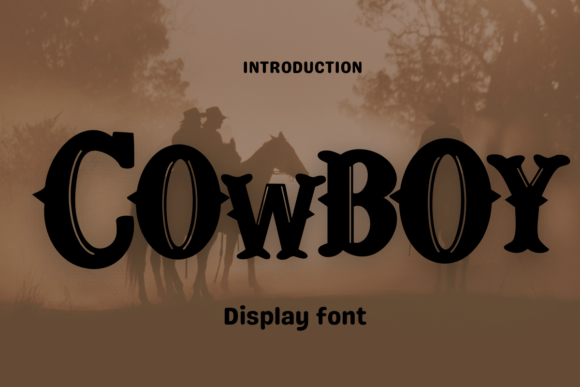
Cowboy is a display typeface categorized as a slab serif or, more specifically, a Western serif. Its design is directly inspired by the typographic styles of the late 19th-century American West. Key characteristics include sharp, angular serifs, often with a subtle inward curve, and a generally bold, sturdy structure. The letterforms evoke a sense of ruggedness and tradition, drawing from historical sources like wanted posters, saloon signage, and vintage product labels.
The font's aesthetic is intentionally vintage and rustic. It is not designed for subtle, modern minimalism but rather for making a strong, thematic statement. Its construction prioritizes visual impact and thematic resonance over the nuanced readability required for body text.
When is Cowboy a Strong Fit for Your Project?
Cowboy can be an effective solution when your project's core requirement is to immediately evoke the spirit, grit, and adventure of the Wild West. Consider evaluating it for the following applications where its thematic strength shines:
- Branding and Logos: For businesses with a Western, rustic, or heritage theme—such as barbecue restaurants, craft distilleries, ranches, or outdoor apparel brands—Cowboy can form a distinctive part of a logo or brand identity system.
- Event and Film Materials: Posters, title cards, and promotional materials for Western-themed films, rodeos, county fairs, or themed parties benefit from its immediate recognizability and period-appropriate flair.
- Signage and Environmental Graphics: It can be highly effective for saloon-style signs, menu headers, or decorative elements in themed environments like bars, museums, or amusement parks.
- Merchandise and Packaging: T-shirt graphics, hat embroidery, bottle labels, and product packaging for goods marketed with a frontier or Americana angle can leverage Cowboy's bold presence.
- Editorial and Title Sequences: Chapter headings in a book, magazine feature titles, or opening credits for a video project set in the Old West can use Cowboy to set a clear tone from the outset.
Benefits and Tradeoffs to Consider
Choosing any specialized display font involves weighing its strengths against its limitations.
Key Benefits:
- Instant Thematic Communication: Cowboy's primary advantage is its ability to convey a specific genre or era without additional contextual clues. This can streamline design communication.
- High Visual Impact: Its bold, detailed letterforms are designed to command attention, making it suitable for headlines and logos that need to stand out.
- Historical Authenticity: For projects requiring a genuine vintage aesthetic, Cowboy's design roots provide a more authentic feel than a generic bold serif.
Potential Tradeoffs and Limitations:
- Readability at Small Sizes: The intricate serifs and stylistic details that give Cowboy its character can become muddled or difficult to read when used at small point sizes, such as in long paragraphs or fine print.
- Limited Versatility: It is not a workhorse font. Its strong personality can clash with other design elements or appear inappropriate in contexts that are not clearly Western-themed.
- Overuse and Cliché Risk: Due to its distinctive style, Cowboy can feel overused or stereotypical if not paired thoughtfully with complementary design elements and a clear creative rationale.
Practical Decision-Making: Does Cowboy Align with Your Goals?
Answering the following questions can help you assess the suitability of Cowboy for your specific needs:
- What is the primary message or emotion? If the goal is to communicate nostalgia, ruggedness, adventure, and Americana, Cowboy is a strong candidate. If the goal is modernity, elegance, or technological innovation, it is not.
- What is the application context? Will the text be large and seen from a distance (signage, posters) or small and read closely (body text, captions)? Cowboy is built for the former.
- Who is the target audience? Does your audience have a cultural or personal connection to Western themes that will allow them to appreciate the font's nuance, or might they perceive it as novelty?
- What is the broader design system? Cowboy requires carefully chosen supporting typefaces. Pair it with a simple, clean sans-serif or a highly readable serif for body text to create contrast and maintain overall legibility.
- Are there licensing and technical factors? Ensure the font license permits your intended use (e.g., commercial products, digital ads). Also, verify its compatibility with your design software and any web font formats if needed for digital projects.
When to Explore Alternatives to Cowboy
If your evaluation reveals potential misalignment, consider these alternative paths:
- For a Subtler Western Vibe: If Cowboy feels too literal, look for other slab serif fonts with a vintage feel but less pronounced Western features. Fonts with strong, blocky serifs but without the sharp, angled terminals can hint at the era without being as thematically locked.
- For Modern Rustic Themes: For projects blending rustic charm with contemporary design (e.g., a modern farmhouse brand), a clean, geometric sans-serif paired with a textured, hand-drawn script might offer more flexibility.
- For Maximum Readability: If the primary concern is legibility across a wide range of sizes and media, a versatile, high-contrast serif or a humanist sans-serif will be a more reliable foundation, with thematic elements introduced through imagery, color, and layout instead.
Ultimately, the decision to use Cowboy should be driven by a clear understanding of your project's narrative needs and practical constraints. It is a powerful tool for specific jobs, capable of infusing designs with a distinct sense of history and place. By carefully evaluating its strengths against your project's requirements, you can make an informed choice that enhances your design's effectiveness and authenticity.