Chester Font: Evaluating Its Elegance for Your Design Needs
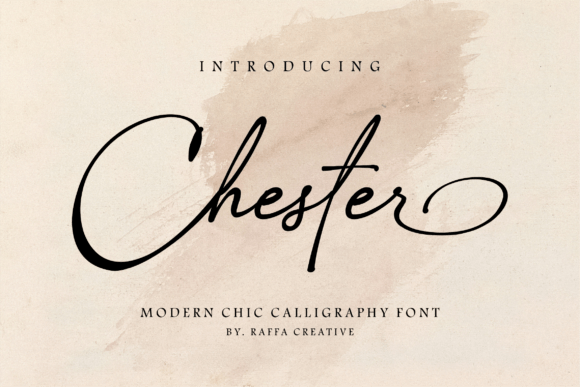
In the search for a typeface that communicates personality and style, the Chester font often emerges as a contender. It is a modern calligraphy font designed to blend a sense of elegance with a distinctly stylish, handwritten feel. Its graceful letterforms and flowing strokes are crafted to evoke a chic and luxurious vibe, positioning it as a tool for adding a touch of sophistication to various design projects. However, selecting the right font is a critical decision that impacts readability, brand perception, and overall aesthetic. This evaluation explores the characteristics, ideal applications, and potential limitations of Chester to help you determine if it aligns with your specific goals.
Understanding Chester's Core Characteristics
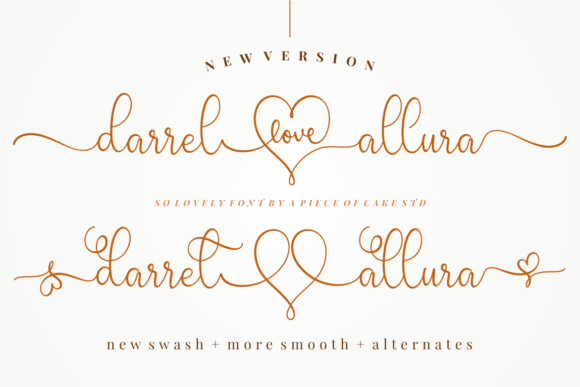
Chester belongs to the modern calligraphy genre. This style is characterized by its fluid, connected letterforms that mimic the art of skilled handwriting. Unlike traditional calligraphy, which can be highly ornate and formal, modern interpretations like Chester aim for a balance between artistry and contemporary appeal. The font typically features a noticeable baseline, varying stroke widths, and a natural flow that gives text a personal, handcrafted quality.
The aesthetic of Chester is decidedly upscale. It avoids the casual or rustic feel of some handwritten fonts, instead projecting a polished and refined image. This is achieved through its consistent letter connections, balanced proportions, and an overall design that feels intentional rather than haphazard. The result is a typeface that feels both personal and premium.
Evaluating Chester for Your Projects: Strengths and Applications
When considering Chester, it is helpful to assess its strengths against the demands of your project. Its primary asset is its ability to inject a human, elegant touch into digital or print designs where a standard serif or sans-serif might feel too sterile.
Chester is often a strong fit for applications where visual appeal and emotional resonance take precedence over dense readability. Key scenarios include:
- Upscale Branding and Logos: For brands in the luxury, beauty, fashion, or lifestyle sectors, Chester can be effective in logos, taglines, or hero text. It conveys exclusivity and artisanal quality, helping a brand stand out with a distinct personality.
- Wedding Invitations and Event Stationery: The font's romantic and sophisticated character makes it a natural choice for wedding suites, save-the-dates, and event programs. It sets a formal yet personal tone for the occasion.
- Packaging and Labels: Products aiming for a high-end, boutique, or artisanal market position can use Chester on labels or packaging to suggest craftsmanship and care. It works well for product names or short descriptive phrases.
- Personal Signatures and Monograms: The handwritten quality lends itself perfectly to creating custom-looking digital signatures for email, branding, or personal stationery.
In these contexts, Chester's flowing strokes and elegant ligatures can create a powerful first impression, aligning the visual presentation with a message of sophistication and attention to detail.
Key Considerations and Potential Tradeoffs
While Chester has clear strengths, a balanced evaluation requires acknowledging its limitations. The very features that make it elegant can become liabilities in certain applications. The primary consideration is readability.
Due to its cursive, connected nature, Chester is not suited for body text, long paragraphs, or small print sizes. At reduced scales, the intricate details of the letterforms can merge, becoming difficult to decipher. Similarly, using it for all-caps settings is generally not recommended, as the connections and flow are designed for lowercase letters.
Another tradeoff involves versatility. Chester's strong stylistic voice means it pairs best with more neutral, clean typefaces. Combining it with another highly decorative font can create visual clutter. Designers must consider the supporting cast of typefaces used for subheadings, body copy, and UI elements to ensure a harmonious hierarchy.
Furthermore, the perception of a font like Chester can be context-dependent. While it reads as luxurious and chic in many Western design contexts, it is essential to consider your target audience's cultural and aesthetic preferences. What feels elegant to one group may feel overly ornate or difficult to read to another.
Chester vs. Alternatives: Making a Practical Decision
Determining whether Chester is the right choice involves comparing it to alternatives and assessing your project's core needs.
Choose Chester when:
- Your primary goal is to convey elegance, femininity, luxury, or a personal touch.
- The text will be used for short headlines, logos, or accent text, not for extended reading.
- You need a font that creates a strong emotional or aesthetic impact at first glance.
- Your design system includes a highly legible sans-serif or serif for supporting text.
Consider alternatives when:
- Readability is paramount. For body text, UI labels, or technical information, opt for a clear sans-serif (like Helvetica, Open Sans) or a classic serif (like Garamond, Georgia).
- You require a more versatile or neutral typeface that can adapt to various tones and contexts without dominating the design.
- The project demands a more traditional or formal calligraphy style. Fonts like Great Vibes or Parfumerie offer different flavors of elegance.
- You are working on a data-heavy interface or a document where information clarity is the top priority.
A practical approach is to test Chester in context. Create a mockup of your intended use—a logo, an invitation layout, a product label. Evaluate it not just for its beauty in isolation, but for how it functions within the whole design. Does it remain legible at the intended size? Does it harmonize with other visual elements? Does it accurately reflect the brand's voice?
Final Thoughts on Selecting Chester
Chester is a specialized tool in a designer's typographic toolkit. It excels at its intended purpose: adding a layer of sophisticated, handwritten elegance to short-form, display-oriented text. Its value lies in its ability to evoke a specific mood and connect with an audience on an aesthetic level.
However, it is not a universal solution. Its effectiveness diminishes when pushed into roles that require high legibility or neutrality. The decision to use Chester should be a deliberate one, based on a clear understanding of the project's communication goals and audience expectations. By weighing its strengths in elegance and personality against its limitations in readability and versatility, you can make an informed choice that enhances your design rather than compromising its function.